When your little one is 18 months old, the world is a playground of new sounds, textures, and, most importantly, imagination. As a parent, you might notice that your toddler seems to skip the “pretend” part of play—no make‑up tea parties, no pretending the cereal box is a spaceship. This pattern is what we call pretend play deficits in toddlers 18 months. In this article, we’ll explore what pretend play looks like at this age, how to spot deficits, why they matter, and what you can do to spark that creative spark.
What Is Pretend Play and Why It Matters
Pretend play is the secret sauce that turns everyday objects into dragons, cars, or secret agents. It’s not just fun; it’s a window into a child’s developing mind.

Developmental Milestones Around 18 Months
At 18 months, toddlers typically:
- Use simple gestures to communicate Mimic adult actions like brushing teeth or cooking Understand basic object permanence
These milestones set the stage for more elaborate pretend scenarios.
Signs of Healthy Pretend Play
- Imitative actions: Copying a parent’s cooking or driving motions Narrative building: Creating a story around a toy or object Role flexibility: Switching between “I am a parent” and “I am a child” roles
When these signs are absent, it could indicate a deficit in pretend play.
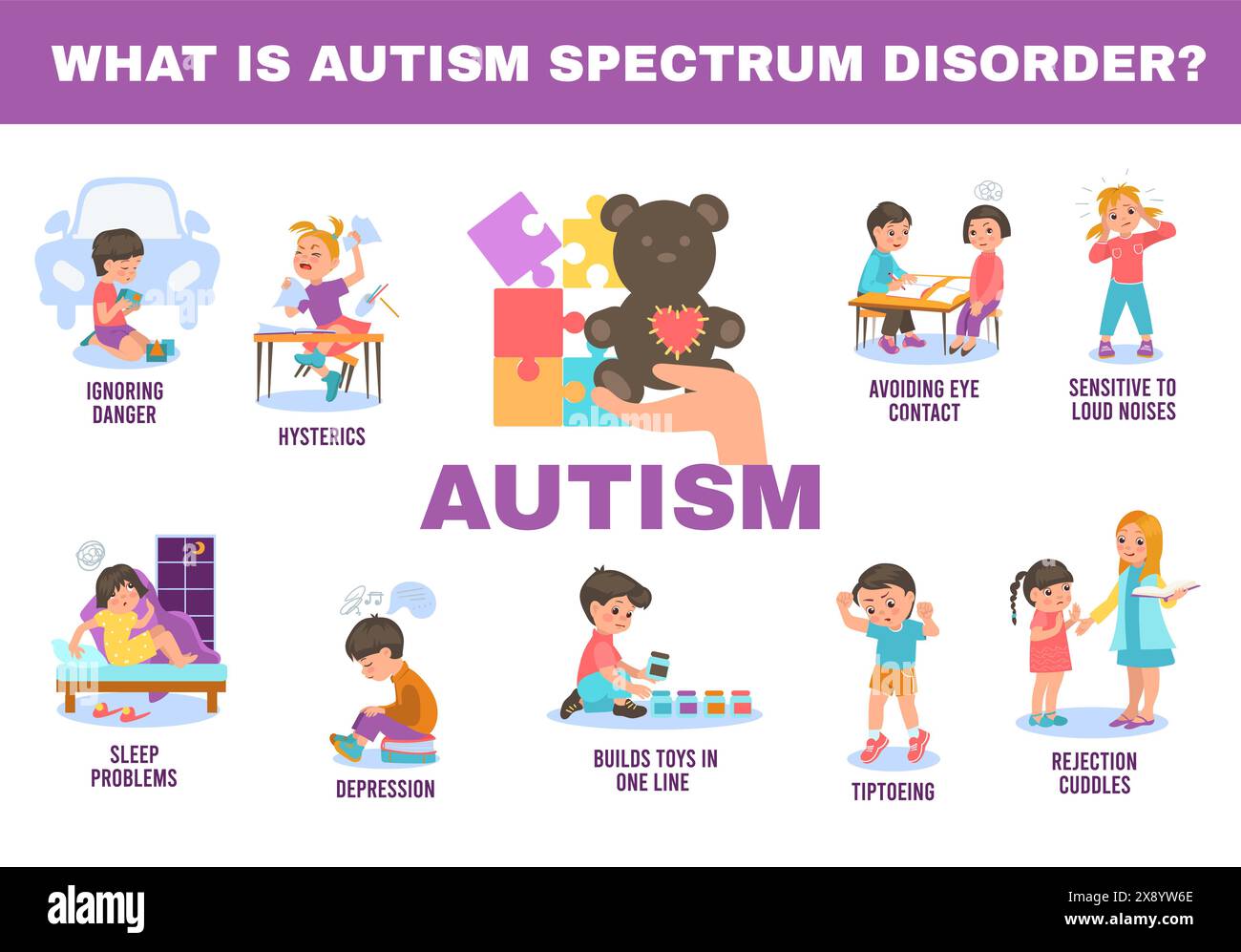
Recognizing Pretend Play Deficits in Toddlers 18 Months
Not all children develop at the same pace, but a persistent lack of imaginative play warrants attention.
Common Red Flags
- Repetitive, non‑imaginative play: Only stacking blocks, never turning them into towers or castles Limited interaction with toys: Using a toy only for its literal function (e.g., a toy car only for pushing, not for “driving a car race”) Difficulty following simple storylines: Struggling to keep a narrative thread even with simple prompts
How to Observe Play at Home
Set a timer: 5‑minute play sessions can reveal patterns Record quietly: A video can help you see if your child is engaging or merely playing Ask open‑ended questions: “What are you doing?” or “Where are we going?” encourage narrative responses Rhetorical question: Do you ever wonder if your toddler’s toy box is more of a “toys” box than a “world” box? The answer may lie in the play itself.Possible Causes Behind Pretend Play Deficits
Understanding the “why” can guide the “how” of intervention.
Neurological and Cognitive Factors
- Language delays: Limited vocabulary can restrict story building Attention challenges: Difficulty sustaining focus on a single activity
Environmental Influences
- Limited exposure: Few opportunities to see adults engage in pretend play Overstimulation: Excessive screen time can reduce imaginative engagement
Social and Emotional Aspects
- Attachment issues: A child who feels insecure may avoid imaginative roles Anxiety: Fear of new experiences can dampen creative exploration
Strategies to Encourage Pretend Play
It’s not just about forcing your child to play; it’s about creating the right conditions.
Create a Playful Environment
- Open spaces: Clear a corner for free play Diverse materials: Provide dress‑up clothes, pots, and simple props Quiet zones: Minimize distractions during playtime
Use Role Models and Imagination Triggers
- Demonstrate: Pretend to cook or drive while your child watches Prompt: “What would happen if the truck is a dragon?” to spark ideas Use stories: Read books with clear narratives and discuss them
Interactive Play Sessions
- Co‑play: Join your toddler’s game, taking turns in the story Ask questions: “Where are we going?” or “What’s happening next?” Praise creativity: Highlight imaginative choices, not just correct actions
Professional Support and When to Seek Help
If deficits persist beyond 12 months of consistent intervention, consider:
- Pediatrician consultation: Rule out medical issues Speech‑language pathologist: Assess language and communication Early intervention services: Provide structured play therapy
A Lighthearted Anecdote and a Helpful Quote
The Toddler Who Thought the Vacuum Was a Dragon
I once watched a 19‑month‑old, named Milo, stare intently at his mom’s vacuum cleaner. “It’s a dragon!” he declared, holding a toy sword and pretending to battle the beast. When the vacuum started humming, Milo’s face lit up, and he began “fighting” it with a dramatic flourish. This moment was a perfect example of pretend play emerging from a simple observation.
> “Play is the highest form of research.” – Dr. Stanley Coren
Sensory sensitivitiesThis quote reminds us that through play, toddlers are testing hypotheses about the world—an essential part of learning.
Moving Forward: Practical Steps for Parents
- Schedule daily pretend play: 10‑minute sessions are enough to build habits Rotate toys: Keep novelty alive by introducing new props Use storytelling prompts: “What would happen if the teddy bear could talk?” Limit screen time: Replace passive viewing with active play Observe and adjust: If a particular activity fails, try a different one
The Road Ahead: Nurturing Creativity and Confidence
Pretend play deficits in toddlers 18 months are not a verdict; they’re a signal. By creating a nurturing environment, modeling imaginative behaviors, and staying observant, you give your child the tools to turn everyday objects into endless adventures. Remember, the Limited imitation goal isn’t to force play but to invite it. As your child’s confidence grows, so too will their willingness to explore the limitless possibilities of their imagination. Keep the play spaces open, the stories flowing, and the encouragement abundant. Your toddler’s next dragon‑slaying adventure could be just around the corner.