When a friend tells you they’re “just a little different,” you might think that’s all there is to it. In reality, many adults carry a quiet, unspoken banner: autism. The question isn’t whether they’re different—it’s how that difference shapes their daily life, relationships, and career. This article explores why adults should consider getting an autism diagnosis, what benefits it can unlock, and how to navigate the process with confidence—and a dash of humor.
---
The Hidden Landscape of Adult Autism
Common Misconceptions
Most people assume autism is a childhood label that vanishes once school ends. In truth, autism is a lifelong neurodiversity. Adults often hide in plain sight, masking their traits to fit in. This mask can lead to misunderstandings—both from others and from themselves—about why certain situations feel overwhelming.
- “I’m just anxious.”
Anxiety can coexist with autism, but it’s often a side effect of sensory overload or social uncertainty.
- “I’m just shy.”
Shyness may mask a deeper struggle with social cues and nonverbal communication.
- “I just need to work harder.”
Hard work doesn’t erase the need for accommodations or support that many autistic adults require.
Signs That Might Slip Under the Radar
If you’ve ever felt like you’re on a different frequency, you’re not alone. Some subtle signs include:
- Difficulty interpreting sarcasm or idioms A strong preference for routine and predictability Sensitivity to light, sound, or touch A tendency to focus intensely on specific interests
These traits can feel like invisible weight, making everyday tasks feel like a marathon.
---
Benefits of a Late Diagnosis
Personal Empowerment
A diagnosis can feel like finding a missing puzzle piece. Suddenly, you have a name for the experience that has shaped your life. This clarity can:
- Validate feelings that once seemed irrational Provide a framework for self‑acceptance Empower you to set boundaries that protect your well‑being
“Knowing who you are is the first step toward living who you want to be.” – Anonymous
Better Mental Health Support
Many adults with autism struggle with anxiety, depression, or burnout. With a formal diagnosis, you gain access to targeted therapies—such as occupational therapy, social skills groups, or cognitive behavioral therapy tailored to autistic needs. These interventions can:
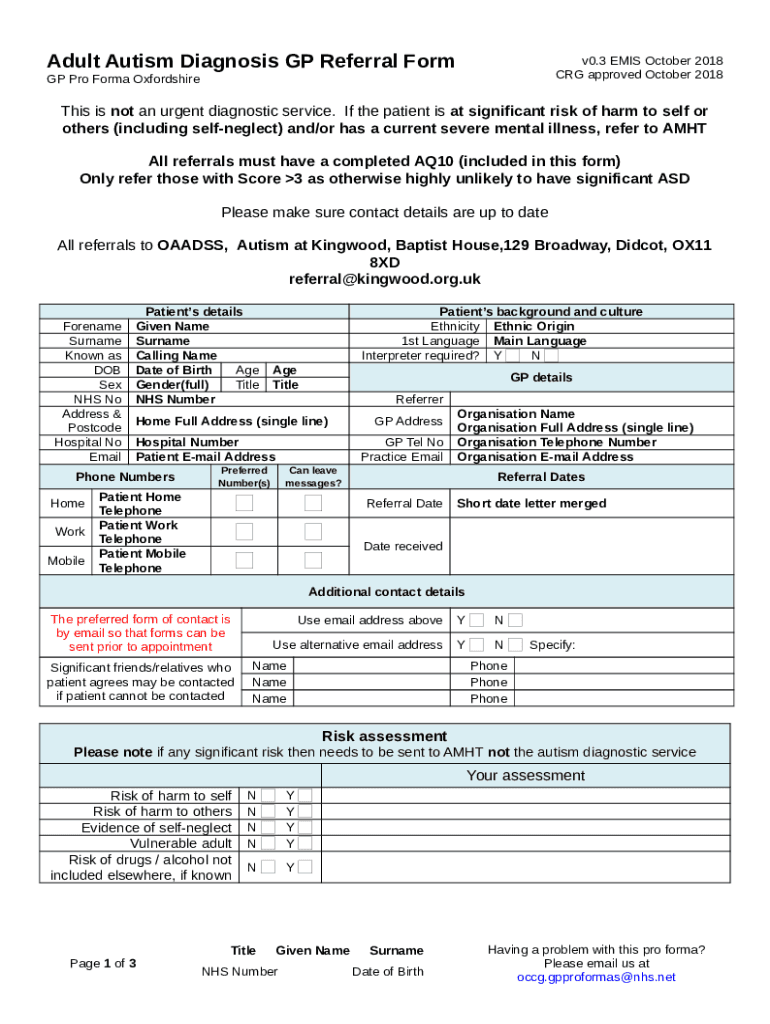
- Reduce daily stress Improve coping strategies Offer a community of peers who understand your perspective
Workplace Adjustments
Imagine trying to navigate a job that demands constant small talk, unpredictable schedules, and sensory stimulation—all while your brain is tuned to a different rhythm. A diagnosis can open doors to reasonable accommodations:
- Flexible scheduling or remote work options Quiet spaces or noise‑cancelling headphones Structured task lists and clear expectations
When employers recognize the strengths of autistic adults—such as attention to detail, pattern recognition, and deep focus—they can harness those talents for mutual benefit.
---
Practical Steps to Seek a Diagnosis
Choosing the Right Professional
Not all clinicians are equal when it comes to autism assessment. Look for:
- Specialized training in adult autism Experience with diverse populations A collaborative, non‑judgmental approach
Gathering Your History
Your own observations, family stories, and past evaluations can be invaluable. Prepare a timeline of:
- Early childhood behaviors Academic and work experiences Social interactions and challenges
This history gives clinicians a fuller picture and speeds up the diagnostic process.
What to Expect During the Assessment
The evaluation typically includes:
- Structured interviews Standardized questionnaires Observation of social and communication skills
It may feel like a detective story, but the goal is to uncover patterns that align with autism criteria. The process is thorough, but the payoff—clarity and actionable insight—is worth the effort.
---
Real Stories, Real Impact
Take the case of Maya, a 32‑year‑old graphic designer. For years, she felt inexplicably drained after team meetings, struggled to navigate office politics, and was constantly on edge. After a diagnosis, she discovered that her “social anxiety” was actually a core autistic trait. With accommodations—such as a quiet workspace and a clear outline of meeting agendas—Maya’s productivity surged. She now leads a creative team that values her meticulous eye for detail, and she no longer spends her evenings replaying awkward conversations.

Maya’s story illustrates a simple truth: a diagnosis isn’t a verdict; it’s a key that unlocks a better way Extra resources to live and work.
---
Turning Diagnosis into Growth
Embracing Your Strengths
Autism isn’t a deficit—it’s a different wiring. Many autistic adults excel in:
- Pattern recognition Systematic problem‑solving Deep focus on interests
These strengths can be harnessed in careers, hobbies, and community roles. Think of it as turning a hidden superpower into a career advantage.
Building a Support Network
A diagnosis can help you find allies—friends, family, and professionals—who understand your unique needs. Consider joining:
- Local or online autistic adult groups Support networks for neurodiverse professionals Advocacy organizations that champion neurodiversity in the workplace
Setting Boundaries with Confidence
Knowing you’re autistic gives you a roadmap for self‑advocacy. You can:
- Politely decline overstimulating events Request sensory‑friendly environments Communicate your preferred communication styles
It’s like having a personal GPS that keeps you on course, even when the terrain gets rough.
---
The Final Piece of the Puzzle
Life is a series of puzzles, and sometimes we’re told the pieces don’t fit. A late autism diagnosis can be the missing piece that finally makes sense of the picture. It offers:
- Clarity about past struggles Access to tailored support Empowerment to shape your future
If you’ve ever felt like you were living on a different wavelength, consider this: you’re not alone, and you’re not broken. You’re simply wired differently—an advantage waiting to be unlocked. Take the step toward diagnosis, and let it guide you to a life where your strengths shine and your challenges are met with understanding.